The 0-0 draw against Spain immediately changed the tone. A debutant nation can lose authority very quickly at a World Cup if the first major test exposes the gap. Cabo Verde did the opposite. They kept Spain scoreless and showed they could defend without panicking. That result told everyone watching that this team was not here only for the experience.
The 2-2 draw against Uruguay gave the run its emotional edge. Uruguay are not just a name from football history; they are a two-time World Cup-winning nation with a long record of making life difficult for opponents. Cabo Verde fighting them to a draw mattered because it proved the Spain result was not a one-off surprise. This was a team with enough discipline, belief, and competitive nerve to survive more than one major test.
Then came the Saudi Arabia match. A 0-0 draw may not look dramatic in a headline, but it delivered the result that mattered. Cabo Verde had done enough. Uruguay and Saudi Arabia were out. Cabo Verde were through.
Calling this lucky would be lazy. Cabo Verde were not dominant, but they were disciplined. In tournament football, discipline can be as valuable as talent, especially when the gap in individual quality is obvious. Smaller teams do not need to look like giants. They need to know exactly who they are. Cabo Verde did.
This Fairytale Was Not Built Overnight
World Cup fairytales always look sudden because most fans only start paying attention when the main tournament begins. But Cabo Verde did not simply appear from nowhere.
Their qualification campaign had structure behind it. Their home form was ruthless: five home wins from five without conceding, including a decisive 3-0 win over Eswatini in Praia that sealed their first World Cup place. That kind of record matters because small nations rarely get to this stage by accident. They need a clear plan, a strong home base, and players who buy into something bigger than individual attention.
Cabo Verde’s rise also reflects the power of a wider football diaspora. Many of their players have developed in European systems, which gives the national team access to experience that a small domestic structure alone would struggle to provide. That does not make the achievement less Cabo Verdean. If anything, it makes the story more modern. Many smaller football nations now depend on a mix of local identity and global football education. Cabo Verde have used that reality well.
Their nickname, the Blue Sharks, fits the moment. They have not played like a team trying to charm everyone. They have played like a team trying to survive long enough for bigger opponents to become uncomfortable. That is not always pretty, but it is practical. And practical football wins respect very quickly when it works.
Goalkeeper Vozinha has become one of the faces of this campaign, which feels right. Underdog stories often need a goalkeeper because goalkeepers carry pressure in its purest form. When a smaller team spends long stretches defending, every save feels like resistance. Every punch, catch, and delayed restart becomes part of the team’s personality.
Cabo Verde have given the tournament something it always needs: a reminder that football is not only about the countries with the biggest leagues, the deepest squads, and the loudest supporters. Sometimes a team with fewer resources and a clearer identity can make the whole world look twice.
Now comes the brutal reward for Cabo Verde’s historic run: Argentina.
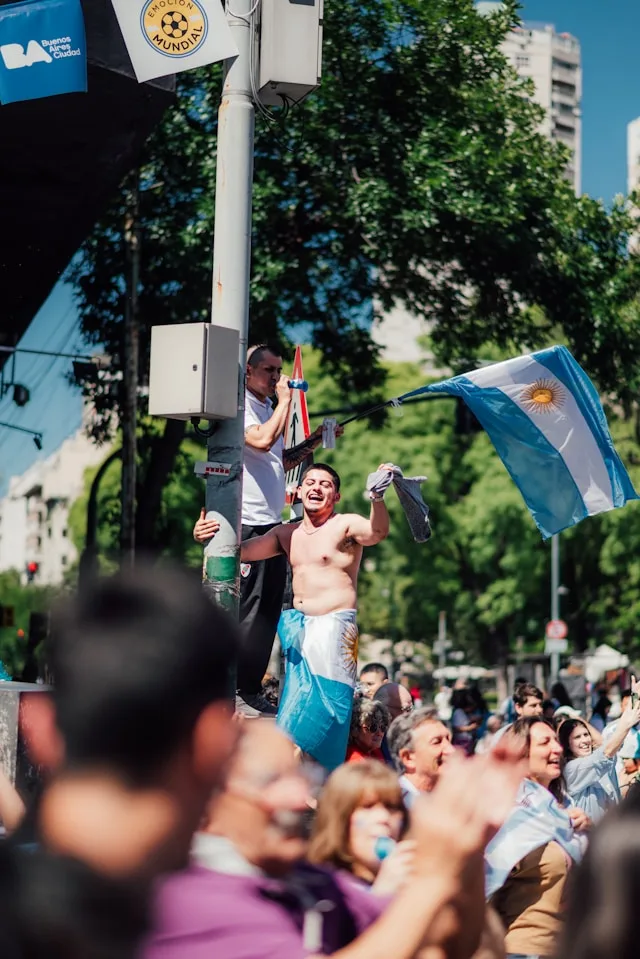
Argentina are not merely a big team. They are the reigning world champions. They won the 2022 World Cup in Qatar, the tournament that finally gave Messi the trophy that had followed his career like an unfinished sentence. That win changed the emotional weight around Argentina. They no longer arrive as a team trying to prove they belong among the greats. They arrive with the crown already on their head.
Their 2026 group stage looked exactly like what champions want from the opening round: controlled, confident, and efficient. Argentina topped Group J with three wins from three, beating Algeria 3-0, Austria 2-0, and Jordan 3-1. That is nine points, eight goals scored, and a team that has not yet had to look desperate.
Messi’s performance is the headline inside the headline. He scored six goals in the group stage: a hat-trick against Algeria, two against Austria, and one against Jordan. Those numbers are not sentimental. They are not ceremonial. They are match-winning numbers from a 39-year-old footballer who still refuses to become just a symbol.
His goal against Jordan also pushed his World Cup story into another category. Messi became the first player to score in seven consecutive World Cup matches, extending a run that stretches back through the knockout drama of Qatar 2022. His World Cup total now stands at 19 goals.
That matters for the Cabo Verde match because Argentina are not carrying an old legend for emotional reasons. Messi is still producing the most dangerous moments. He is still forcing defenders to make impossible choices. Close him down too aggressively, and he can release someone else. Give him space, and he can punish the goalkeeper himself.
But Argentina are scary for another reason: they are not only Messi. That is what separates a real champion team from a nostalgia act. Scaloni’s side has tournament memory, defensive confidence, midfield control, and enough attacking quality to hurt opponents even when Messi is not the one finishing the move. Cabo Verde can prepare for Messi all week and still lose to someone else.
That is the problem champions create.
Why Messi’s Possible Last World Cup Changes the Mood
This match carries another emotional layer because this may be Messi’s final World Cup.
That should be written carefully. Unless Messi confirms it directly, nobody should present it as guaranteed. But he is 39 during this tournament, and it is reasonable to say that every Argentina knockout match now comes with a “last dance” feeling. Fans know it. Opponents know it. The tournament knows it.
For Argentina supporters, every game now carries two dreams at once. The first is obvious: win another World Cup. The second is more personal: keep Messi’s World Cup story alive for one more match. That is a powerful emotional force, but it can also become pressure.
For neutral fans, the Cabo Verde match creates a strange conflict. Everyone loves the underdog until the underdog threatens to end a legend’s final run. If Cabo Verde shock Argentina, they would not just eliminate the defending champions. They could become the team attached forever to Messi’s last World Cup defeat.
That is a heavy burden for a small nation, but this is exactly what makes the World Cup so addictive. It throws unequal stories into the same stadium and lets 90 minutes decide which one survives.
Cabo Verde want the greatest night in their football history. Argentina want another step toward a title. Messi wants, or at least appears to be chasing, one more run at immortality. There is no need to exaggerate the drama. The facts are already dramatic enough.
Why Cabo Verde vs Argentina Is the Match Everyone Should Watch
Argentina should win this match. Let’s not pretend otherwise.
They have better individual players, more tournament experience, more attacking weapons, and the greatest footballer of his generation still scoring at an absurd rate. If this match is played ten times, Argentina probably win most of them. That is not disrespectful to Cabo Verde. It is basic football judgment.
But World Cups are not remembered only for what should happen.
Cabo Verde’s path is narrow, but it exists. They need to keep the match ugly in the best possible way. They need to deny Argentina easy central spaces, stay compact, avoid conceding early, and treat every set piece like a serious attacking opportunity. They need Vozinha to be sharp. They need their defenders to stay calm when Messi starts drifting into those pockets of space where panic spreads quickly.
Most of all, they need time.
At 0-0 after 20 minutes, Argentina will still feel fine. At 0-0 after 60 minutes, the mood changes. At 0-0 after 80 minutes, every missed chance becomes heavier, every clearance becomes louder, and every neutral begins to wonder whether something absurd is about to happen.
That is the underdog’s dream. Not to dominate. Not to impress with possession numbers. Just to stay alive long enough for pressure to switch sides.
This is why Cabo Verde vs Argentina is such an easy match to sell. It has everything: the defending champions, Messi’s possible final World Cup, a tiny nation in the biggest match of its football life, and a knockout format where one bad night can ruin the favorite’s tournament.
Argentina fans want control. Messi fans want magic. Neutrals want chaos. Cabo Verde fans want the impossible.
That is more than enough reason to watch.
My Take: Argentina Are Favorites, But Cabo Verde Have Already Changed Their Story
The safest prediction is Argentina. The better story is Cabo Verde.
That does not mean Cabo Verde are likely to win. It means they have already turned this fixture into something far more interesting than a routine round of 32 match. A small nation has forced the defending world champion to prepare seriously. That alone is not a trophy, but it is nothing either.
Argentina will look at this match as a job to be done. Cabo Verde will look at it as the biggest stage in their football history. Those two mindsets can make a match tense in ways the team sheets do not show. The favorite wants rhythm. The underdog wants one crack in the wall.
If Argentina score early, the night becomes brutally difficult for Cabo Verde. They will have to open up, and opening up against Messi’s Argentina is asking for trouble. But if Cabo Verde can keep the game tight, frustrate Argentina, and drag the match into the final stretch, pressure becomes a living thing. It starts moving from the underdog to the favorite.
That is where World Cup shocks are born.
No matter what happens, Cabo Verde’s run deserves more than polite applause. They have shown that small football nations do not need to arrive quietly, lose respectfully, and go home grateful. They can compete. They can frustrate giants. They can make the world stop and watch.
Argentina carry the crown. Messi carries the spotlight. Cabo Verde carry the dream. And for one night in Miami, that is enough to make the whole football world pay attention.